School Counseling Certificate

About the School Counseling Counseling Certificate

Launch a meaningful, in-demand career as a school counselor with the interpersonal skills and cultural competence needed to support diverse student communities. 

School counselors play a crucial role in helping students navigate challenges and reach their full potential. Viterbo’s program prepares you to provide academic, career, social, and emotional support for K–12 students in the classroom, in small groups, and in individual services. 

Note: To be eligible for this certificate program, candidates must currently be a licensed mental health counselor. Those that did not come from a CACREP-accredited program may have additional credits to take. 

Why study this program at Viterbo?

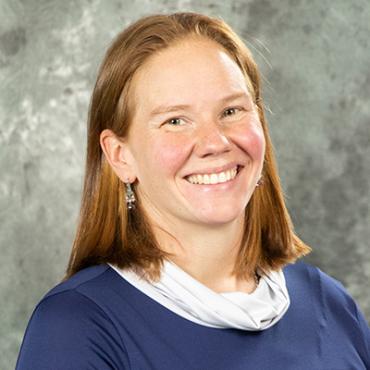
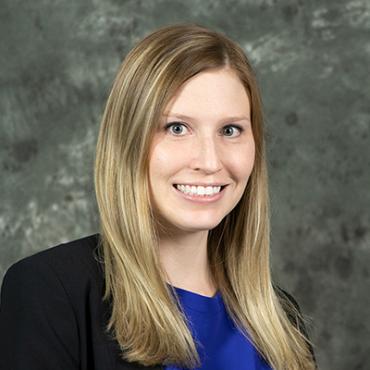
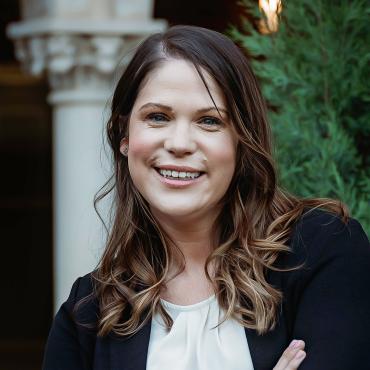
Counseling Faculty

Ready to get started?

Request Further Information

Clinical Mental Health Counseling Certificate

About the Clinical Mental Health Counseling Certificate

Build the clinical skills, knowledge, and ethical foundation needed for a career as a licensed mental health counselor.

Viterbo’s program combines rigorous coursework with supervised clinical training to prepare students for professional counseling practice. Students develop skills in assessment, intervention, and ethical decision-making while learning to support diverse client needs across a range of mental health settings.

Note: To be eligible for this certificate program, candidates must currently be a licensed school counselor. Those that did not come from a CACREP-accredited program may have additional credits to take. 

Why study this program at Viterbo?

Counseling Faculty

Ready to get started?

Request Further Information

Community Interpreting Certificate

About the Community Interpreting Certificate

The Community Interpreter Certificate at Viterbo University trains bilingual professionals to become qualified interpreters. Our goal is to provide Limited English Proficient individuals language access for effective communication with the providers of private and public organizations, thereby facilitating full and equal access to legal, health, educational, government, commercial and social services.

Who can apply?

The community interpreting certificate has been structured to meet the needs of working people in the Midwest as well as online students from other regions of the country or the globe. Both international students and Dreamers are encouraged and welcome to apply. Acceptance is based on a successful application/interview/entrance exam. The following are eligible to apply for the certificate:

  • Graduates of language programs
  • Individuals working in the field with no previous training in interpreting
  • Bilingual professionals working in fields not related to interpreting
  • Individuals of any immigration status are eligible for the program
  • Juniors and seniors attending high school in Wisconsin with high proficiency levels in two languages may also be eligible to participate through the Early College Credit program of Wisconsin

How does it work?

This certificate program is a total of 13 credits and takes one academic year to complete (August–May). The four required courses are taught in an online format, with a face-to-face option for local students. There is also a one-credit internship to be completed in spring semester.

Who will receive a certificate?

Students will be eligible to receive the certificate after completing the following requirements:

  • Apply to the certificate online
  • Entrance exam
  • Successful completion of the four required courses in the certificate
  • Internship/practicum

What is the timeline?

Fall semester (August–December): 
INTP 301 Interpreting Principles (3 credits)
INTP 456 Seminar on Interpreting in Medical and Social Settings (3 credits)

Spring semester (January–May): 
INTP 444 Intercultural Competence and Ethics in Interpreting (3 credits)
INTP 452 Seminar on Interpreting in Business and Legal Settings (3 credits)
NTP 481 Internship Practicum (1 credit)

Useful Links

The following links may provide more information about the important professional associations in the United States that regulate, guide and educate in the field of interpreting. Our program is affiliated with and works closely with all of these organizations with the objective of maintaining the highest of standards and training qualified interpreters to abide by the codes of ethics and standards of practice of the profession.

Questions?

Contact Michelle Pinzl, associate professor and coordinator at 608-796-3492 or mmpinzl@viterbo.edu.

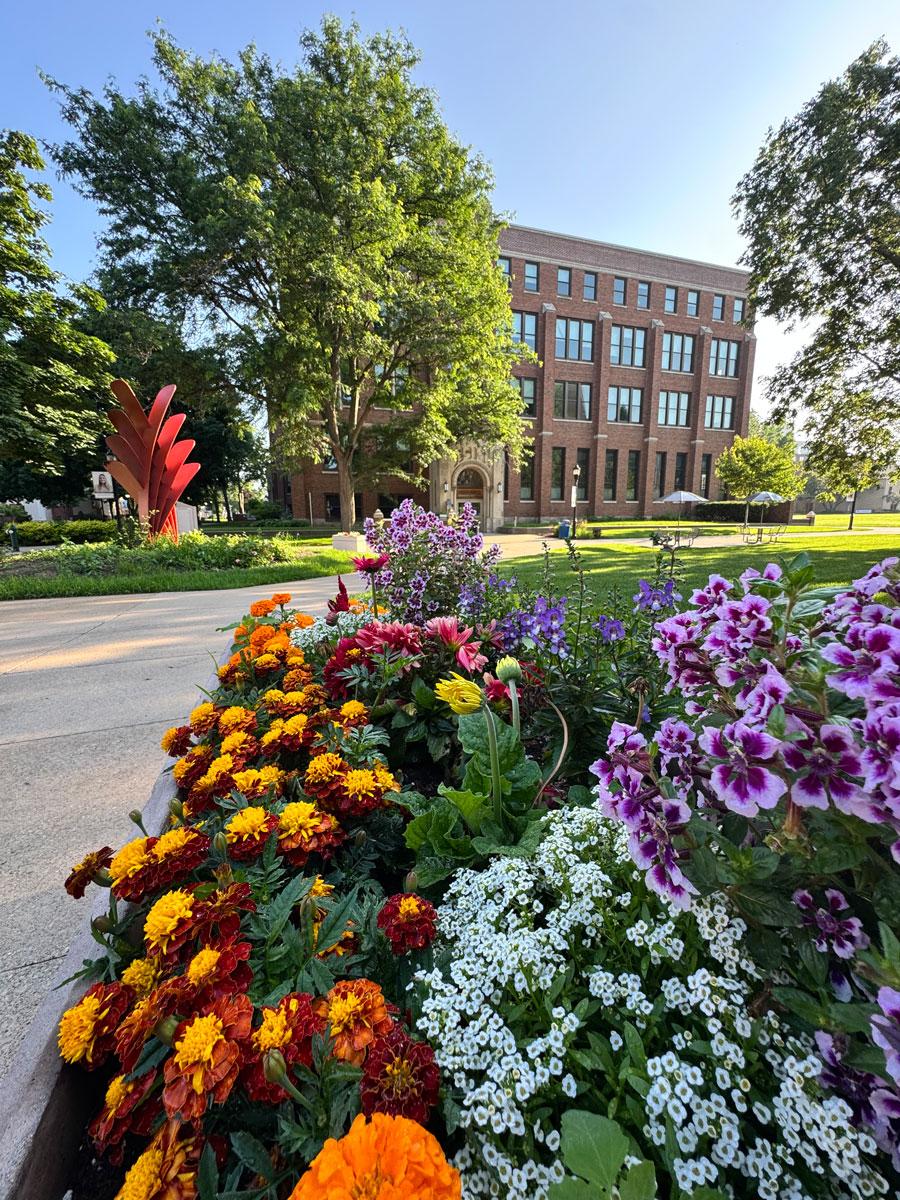
Campus shot with flowers

Ready to get started?
Request Further Information

Master of Science in Community Medical Dietetics

About the Master of Science in Community Medical Dietetics Program 

Prepare for a career as a Registered Dietitian Nutritionist

Viterbo’s Master of Science in Community Medical Dietetics offers five pathways to meet every student where they’re at in their quest to become an RDN or advance their professional career. All pathways are offered fully-online and supervised practice can be completed anywhere in the United States.

Program Highlights: 

  • ACEND-accredited
  • Convenient, online classes
  • Includes clinical/practicum hours
  • Nation-wide coordinated internship placements
  • Experienced faculty with diverse expertise

Are you a 4+1 student? Visit our undergraduate nutrition and dietetics page.

Careers in Dietetics

Recent Internship Placements

  • Green Bay Packers
  • Behavioral Health Clinics
  • Children’s Hospital
  • HyVee
  • Mayo Health System
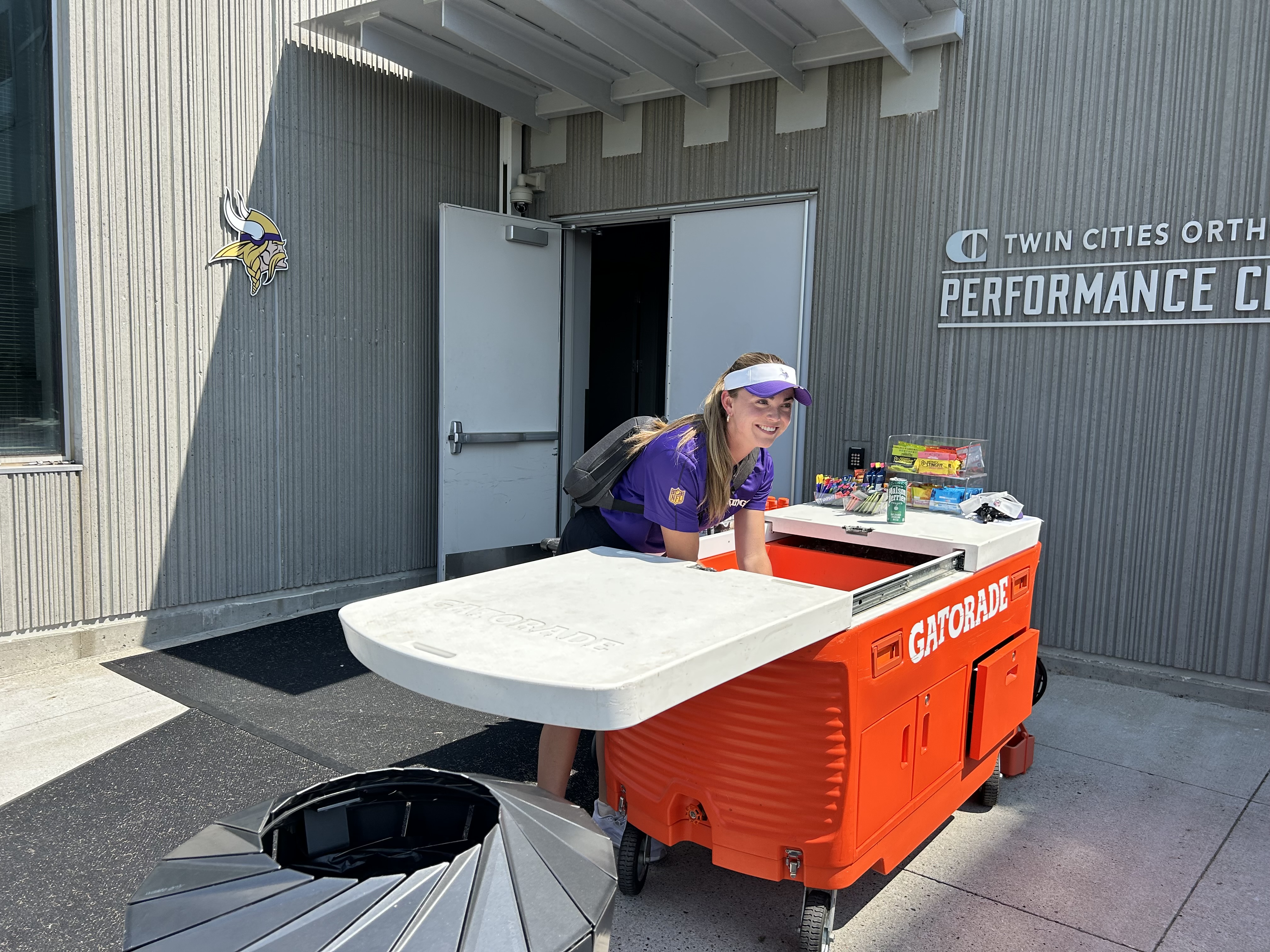
  • Minnesota Vikings
  • Private Practice
  • Public Health Departments
  • Skilled Nursing Facilities
  • Special Supplemental Nutrition Programs for Women, Infants, and Children (WIC)
  • University of Minnesota Athletics
  • University of Wisconsin Athletics
  • Vernon Memorial Healthcare

ACEND-accredited

Includes clinical/practicum hours

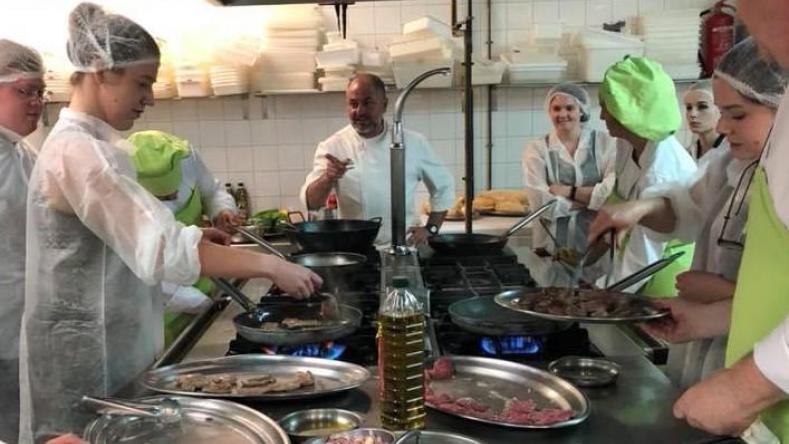
Opportunity to study sports nutrition and the Mediterranean diet in Spain

Why study this program at Viterbo?

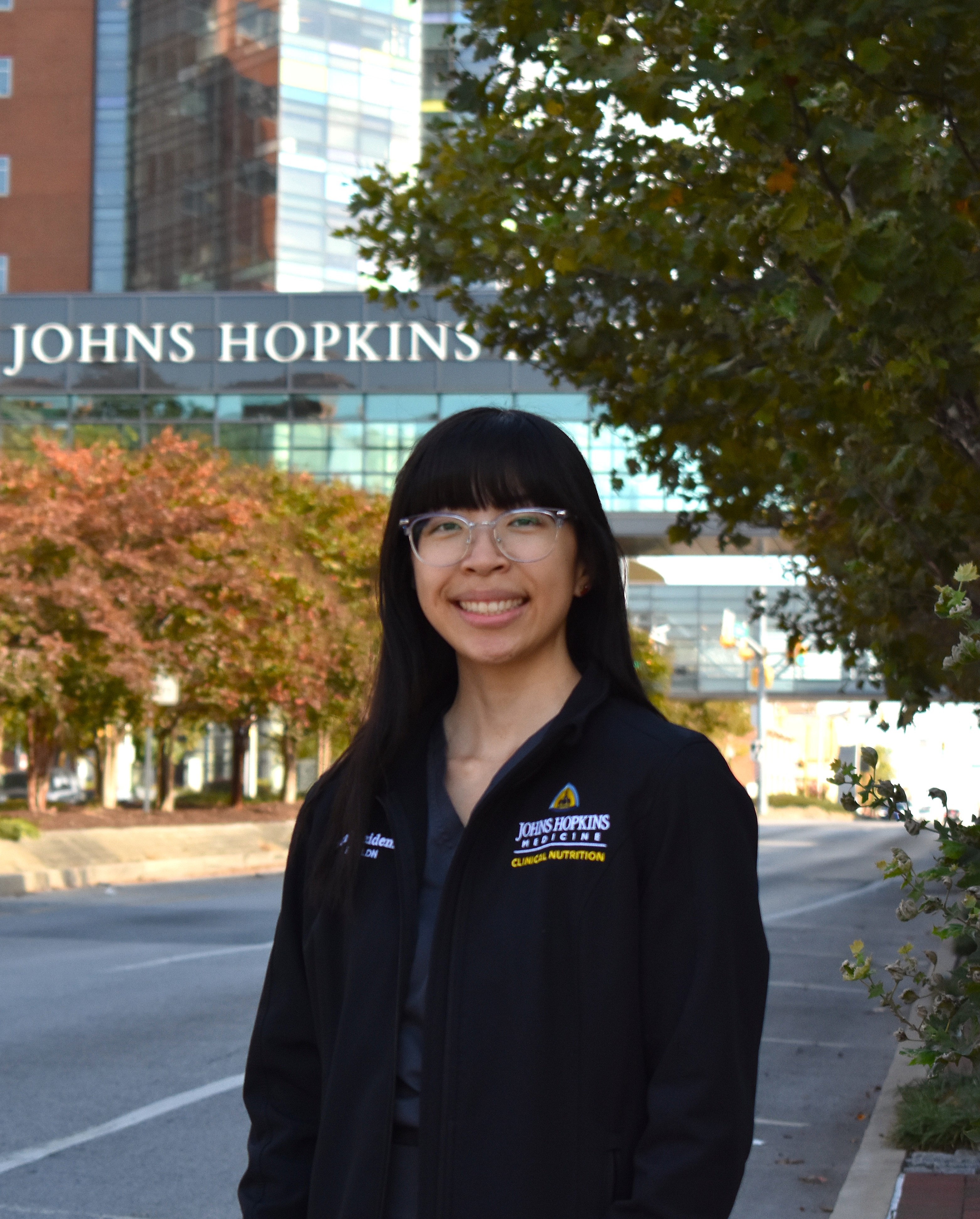
Nutrition and Dietetics Faculty

Image Media
Jamie Weber

Jamie Weber

Job Title
Program Director, Master of Science in Community Medical Dietetics
Clinical Coordinator
Associate Professor
Academic Department
Nutrition and Dietetics

Ready to get started?

Request Further Information

Doctor of Nursing Practice (DNP) and Post-Graduate Certificate

About Viterbo’s DNP Pathways

Our long tradition of developing nurse leaders continues with innovative DNP pathways, including primary care, CRNA, and business (MBA) leadership tracks.

Viterbo University prepares nurses to take their careers to the next level, lead teams, and shape the future of nursing. Through partnerships with leading local health systems, we equip nurses to make a greater impact on patient care, guided by ethical, servant leadership and a commitment to advancing the profession and supporting communities. 

Program Highlights: 

  • Hybrid format, designed with working professionals in mind
  • Clinical placements provided
  • Approachable, student-centered faculty with clinical expertise in primary care, occupational health, specialty practice, and acute care

Our DNP and post-graduate certificate graduates are prepared to work in the following settings

  • Clinic
  • Rural health
  • Surgery
  • ICU
  • Hospital

According to US News & World Report

NPs are the fastest-growing, most employable role due to high demand for primary/mental health care, high salaries, and strong autonomy

Provide exceptional care

Strong nursing leadership is linked to better patient safety, improved staff engagement, and higher quality care

Job outlook

38–46% Projected Growth Rate

Why study this program at Viterbo?

Ready to get started?
Request Further Information

School Counseling Certificate

Overview

This program is designed to meet the Wisconsin Department of Public Instruction (DPI) requirements for school counselors.

Policy

The exact number of courses taken by certificate students will be determined upon entry into the program. Students will be required to take a minimum of 18 credit hours. A plan of study will be created for each student in the certificate in school counseling. Courses will be determined by the coordinator of the school counseling program who will complete an audit of the certificate student’s previous master’s level course work. Since this program is designed to meet the Wisconsin Department of Public Instruction (DPI) requirements for school counselors it is possible that students will take more than 18 credit hours. Each student will need to meet the requirements established by the WI DPI.

Learning Outcomes
  • Students will articulate the impact of values, beliefs, and cultural perspectives relative to the counseling process.
  • Students will demonstrate professional ethical standards of practice and the application of contemporary theories and principles of school counseling.
  • Students will be able to conceptualize individual, group, and systemic approaches in school counseling work.
  • Students will demonstrate creativity and flexibility in implementing developmentally and culturally responsive prevention and interventions in the K-12 school environment for individuals, small groups and in classrooms.
  • Students will demonstrate the development and evaluation of a comprehensive counseling program and utilize program evaluation techniques grounded in research and measurement.
  • Students will demonstrate effective professional counseling relationships with K-12 students, their families, and stakeholders within the school setting.
  • Students will demonstrate classroom instruction skills and individual/small group counseling skills to facilitate students’ social/emotional, academic, and career development throughout their Pk-12 school experience.

Clinical Mental Health Counseling Certificate

Policy

The exact number of courses taken by certificate students will be determined upon entry into the program. Students will be required to take a minimum of 18 credit hours. A plan of study will be created for each student in the certificate in clinical mental health counseling. Courses will be determined by the coordinator of the clinical mental health counseling program who will complete an audit of the certificate student’s previous master’s level course work. Since this program is designed to meet the Wisconsin Department of Safety and Professional Service (DSPS) requirements for clinical mental health counselors it is possible that students will take more than 18 credit hours. Each student will need to meet the requirements established by the WI DSPS.

Learning Outcomes
  • Students will articulate the impact of values, beliefs, and cultural perspectives relative to the counseling process.
  • Students will demonstrate professional ethical standards of practice and the application of contemporary theories and principles of clinical mental health counseling.
  • Students will be able to conceptualize individual, group, and systemic approaches in clinical mental health counseling work.
  • Students will evaluate and integrate theory, research, and evidence-based approaches within their counseling practice.
  • Students will demonstrate accurate conceptualization and diagnosis of clients’ presenting issues.
  • Students will demonstrate effective counseling relationships with their clients and effective communication skills with colleagues within the agency setting.

Adult-Gero Acute Care Nurse Practitioner Post-graduate Certificate

Overview

If you are a post-master’s or DNP accredited primary care nurse practitioner with a family or adult-gerontology population focus, this program is built for you.
The eight-course (21 credit hours) program is spread across five semesters and includes two semesters of didactic coursework and three semesters (540 hours) of clinical experiences. Clinical opportunities may be available in your region. The program is financial-aid (student-loan) eligible, with competitive scholarships available for post-graduate certificate students. The application is available after the first semester.

Sample Plan:

2023–2024

Learning Outcomes
  • Practice interprofessionally in an adult-gerontology acute care nurse practitioner specialty role
  • Affirm the dignity of life and human diversity
  • Advocate for quality and safety outcomes for persons / families experiencing acute, critical, or chronically-critically ill situations
  • Demonstrate professionalism, ethical leadership, and faithful service in their role and setting
  • Facilitate translation of research and evidence into practice
  • Utilize healthcare and information technology to impact best practice

Graduate Education Licensures and Certificates

Viterbo's graduate education licensure and certificate programs prepare educators to be leaders in their schools and communities. Graduates recognize their obligation to engage in ethical decision-making. They are advocates for best practices in education, student centered instruction, and equity in education. Our graduates understand the importance of remaining current and relevant in educational practices and trends. Viterbo University will revolutionize your instructional practices and prepare you to be an agent for change.

Questions about admissions?

Reach out to Mary Beth Sinniger with questions mbsinniger@viterbo.edu, 608-796-3095

Degree Level
Subscribe to Certificate